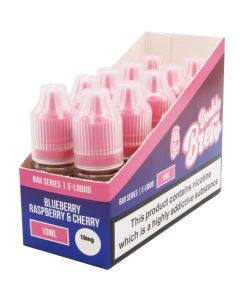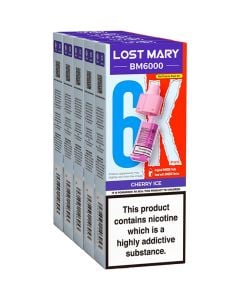



The Vaping Products Duty (VPD), commonly called the vape tax, is a new duty on vaping products that it due to be introduced in October 2026. The duty is part of the Government’s aims to reduce the appeal of vaping to non-smokers and young people, by reducing affordability. The duty was confirmed as finalised in the recent 2025 budget.
Find out more about when and how the VPD will come in to play and what it might mean for you and for vaping business in general, in our handy guide.
What is the Vaping Products Duty (VPD)?
On 1 October 2026, there will be a new duty that applies to all e-liquids made, sold, imported and bought in the UK. The Government policy states that:
“The duty will apply to vaping liquid which contains nicotine and either or both glycerine and glycol or any liquid that is intended to be vapourised by a vape and is not a medical or tobacco product.”
The new excise will be applied at a flat rate of £2.20 per 10ml of vaping liquid, no matter how much nicotine the e-liquid contains. Throughout the process of introducing the duty, the need to ensure that vaping products remain accessible to smokers and current vapers was held in high importance, ensuring that vaping remains a more affordable alternative to smoking.
Who will the VPD impact?
The VPD will impact the UK vaping industry, changing pricing and duty for individuals, manufacturers and businesses. It applies to any products that contain e-liquid, whether they include nicotine or not, and will cover everything from bottles of vape juice to prefilled pods as well as vape kits that come with a prefilled pod & refills.
How the VPD will impact vapers
- When the duty comes into play, cost will increase across e-liquid containing products, and this will have the biggest impact on consumers. This will be most noticeable for larger quantities of e-liquids like shortfill bottles, as the duty will be set at a single flat rate of £2.20 per 10ml on all vaping liquid
- It might be more difficult for vapers to buy specific products in stores, particularly when it comes to independent vape stores who may struggle to cope with rising costs
- There is also likely to be a change in the type of products available. For example, shortfill e-liquids are likely to become obsolete due to the significant price increase they will be subject to
- Vapers may find that they need to switch to other products like refillable pod systems to be able to vape more efficiently and save money
Despite these increases in cost caused by the duty, vaping will remain a less expensive alternative to smoking. It is also important to remember that the duty applies only to products containing e-liquid like bottles of vape juice and prefilled pods, so the price of refillable vape kits, coils, and refillable pods will not increase.
How the VPD will affect vaping brands and manufacturers
- An increase in the excise cost may result in a drop in sales, with consumers purchasing less frequently to save money. This will result in a drop in income for brands and manufacturers and could also have a particularly big impact on independent vape stores
- Every stage of the vaping supply change will be affected, from manufacturers and packaging makers to importers and retailers
- Retailers will need to work to implement the changes and make sure they are reflected in the sales price. They will see an increase in the cost of buying products wholesale and will need to ensure all products have the appropriate duty stamp on packaging. This will mean extra work in adhering to new regulations across all products. It will take extra work to ensure compliance and professional vape shops will ensure that they are following all regulations
What products will be impacted by the VPD?
The VPD is a duty for all e-liquids, which means it will cover a wide range of items, including:
- All vaping liquids / e-liquids, regardless of nicotine content or the volume sold
- Prefilled pods will also be affected, as they come with the e-liquid already inside the pod, this is inclusive of both standard 2ml prefilled pods and larger refills found with big puff vapes
What to look out for after the VPD?
To be confident that you are buying compliant products, you can start looking out for single-use duty stamps on your e-liquids, pods and vape kits. These will often be used to seal the packaging. Bear in mind that these won’t appear on all legitimate products immediately, as there will be backstock for retailers to sell during the six months following the introduction of the VPD.
After the 1st of April 2027, you should expect any e-liquid-containing-product to have the duty stamp. Any products containing e-liquid, even nicotine-free, which do not have the stamp are not legal and should be avoided. Likewise, if you receive a product where the stamp has already been broken, it may not be legitimate and should be avoided.
Sticking to reputable retailers like Evapo means you can be confident that the products you are receiving are legal, compliant and safe for use.
VPD calculator explained:
To work out how the VPD will affect the price of e-liquids going forward, we have put together a handy guide. Essentially, Vaping Products Duty will be set at a single flat rate of £2.20 for a 10ml bottle on all vaping liquid.
This duty is £2.20 per 10ml and is a flat rate regardless of nicotine strength. This means that shortfills will have a larger increase as they contain more than 10ml of e-liquid. It will also be applied to 2ml pods and any refills, with the cost of the duty calculated depending on the volume of e-liquid in the pods and refills. VAT will then be applied after the Vaping Products Duty.

Why is the VPD being put in place?
The UK Government is putting the VPD in place as a way to balance the regulation of vaping products and their goal of reducing smoking-related illnesses. They hope that the duty will discourage non-smokers from beginning vaping. It is also hoped that the new excise and regulations will help to combat illicit products.
According to the Government’s policy document, one of the main motivations behind the duty is to make vaping products less accessible to minors. There is also the possibility that the money raised by the duty could be used as funding for enforcement by agencies like Trading Standards. How the money will be used is unconfirmed. We support measures to ensure that all vape shops comply to regulations and any moves to help stamp out illicit vape traders.
VPD FAQs
Can I stock up before the VPD is introduced?
Yes, you can choose to stock up on e-liquid before the VPD comes into effect. This is the best way to avoid paying a higher price later.
How should I store any e-liquid I stock up on?
If you stock up on e-liquid or prefilled pods, be sure to store them in a cool and dry place until you are ready to use them. Do not open e-liquid bottles such as shortfills before storing them, as oxygen can cause the content to degrade. E-liquids stored correctly can last anywhere from 1-2 years, meaning if you stock up now you do not have to worry that they will expire before use.
Will I be able to get a deal before the VPD is introduced?
You might find that some e-liquids reduce in price just before the grace period ends on the 1st April 2027, if any retailers still need to sell off stock. However, this isn’t something to be relied on as all products without stamp duty may have been sold by then.
Conclusion
The increase in cost for the average vaper will start being noticeable from the start of October 2026, but it may take up to six months for them to change across the board. By the 1st of April 2027, all prices will have risen and duty will be applied to all e-liquid & containing products. However, vaping will remain to be less expensive than smoking and offer a more affordable alternative for those looking to make the switch.
If you have any questions about the upcoming VPD and what products might be best for you, pop into your local Evapo store or contact customer services who are always happy to help.
Sources:
Gov.uk 28/11/2025
Gov.uk – 26/11/25
Gov.uk – 26/11/25
Gov.uk – 12/09/26
Cochrane.org – 17/11/2022