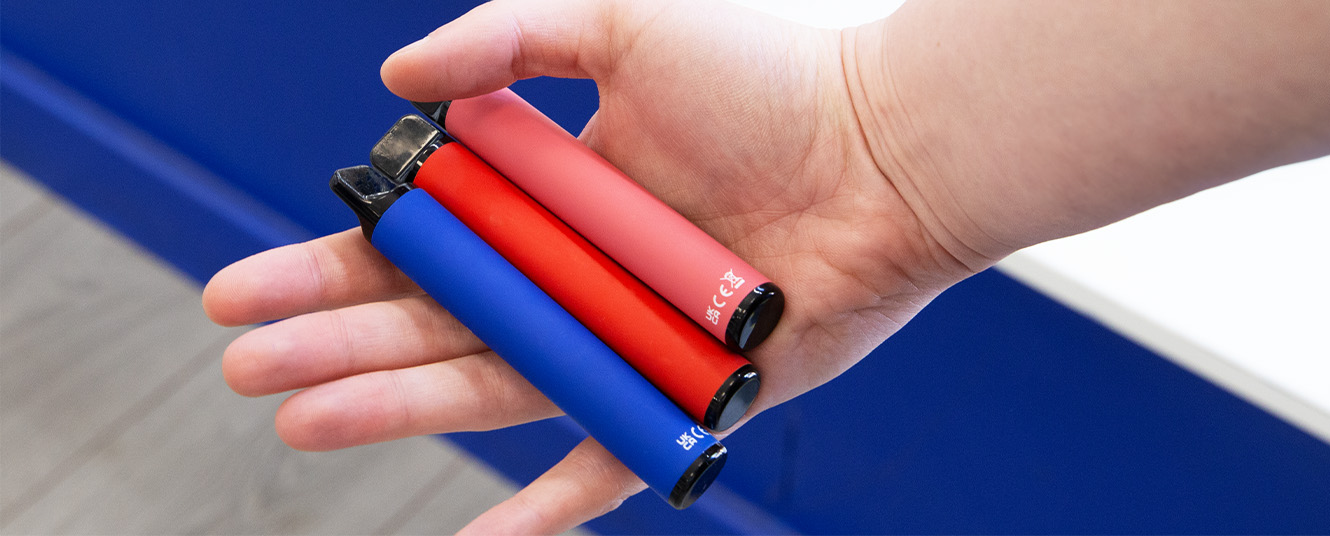



We have seen a variety of changes to the vaping landscape since the introduction of the disposable vape ban, many of them positive. However, the concern that the ban has helped to fuel the illicit market has also arisen.
In this article, we take a look at the ways the ban is affecting the industry in the UK, with a particular focus on the illicit trade of vapes and vaping products.
What were the objectives of the ban and has it worked?
The disposable vape ban that came into force in June 2025 was a Government initiative that aimed to tackle several different issues. Their first objective was to achieve a reduction in youth vaping. It was determined that the low cost, ease of use, and child-appealing branding and flavours of disposable vapes made them appealing to underage vapers.
The second main aim was to reduce the environmental impact of vaping. Disposable vapes meant that many lithium-ion batteries and a large amount of unrecyclable plastic/liquid waste needed to be dealt with every time one was thrown away.
Alongside these objectives, the Government aimed to avoid deterring adult smokers from making the switch from smoking to vaping and ensure that vaping products remained accessible to adult smokers and vapers. You can read more about the objectives and how well they are being met in our analysis of the ban’s impact.
In short, we have seen a number of successes, such as a reduction in littering and vape waste. However, there is also evidence that vapers have turned to illicit products or started smoking more, and that there has also been a surge in shops still selling disposable vapes.
This is a result that was predicted by several industry experts, including UK Vaping Industry Association (UKVIA), who issued a statement when the ban was first announced. John Dunne, Director General of UKVIA, said:
“This counterproductive legislation will sooner put children at greater risk by turbo-charging the illicit market and, in turn, making it easier for them to access illicit and non-compliant vapes.
The answer to youth vaping doesn’t lie in counterproductive bans and restrictions, but rather in effective and proactive enforcement – which is woefully lacking – of the law which states that it is illegal for vapes to be sold to minors.”
Much of the research we have now is still in its infancy and we are expecting many more in-depth studies to be released in future. In the meantime, we will look at the evidence presented so far.
How has the ban impacted the illicit vape market?
A variety of sources have indicated that despite aims to cut down on illicit trading, there are still a significant number of unreputable retailers selling banned vapes despite the legislation. The good news is that reputable sellers have complied with the ban to great success and many vapers have smoothly transitioned to disposable vape alternatives.
That said, news of illicit trade is concerning and the numbers involved are significant. For example, Better Retailing reports that a survey by the Scottish Grocers’ Federation (SGF) revealed concerns that the ban is pushing customers towards the illicit market.
The survey found that 75% “strongly” agreed the ban had encouraged the sale and purchase of illegal products. Almost 90% of respondents also expressed concern that future restrictions would further fuel illicit trade, with a concern that cost increases and flavour restrictions could also hinder smokers attempting to quit.
Speaking to the BBC, IBVTA Chief executive Gillian Golden said:
"While reputable businesses immediately complied with the new rules, the same cannot be said for the illicit trade.
"Much of this illegal trade is conducted by criminal networks who see illicit tobacco and vapes as any other cash market commodity. They do not care about the legitimacy of what they sell, or to whom it is legally sold."
Some vapers may have also stockpiled disposables before the ban, meaning they still have access to a supply of products that were purchased legally from reputable retailers. What these vapers will do when their stockpiles run out remains to be seen.
Taking these findings into account, it is clear that the ban of disposables ultimately cannot completely eliminate the demand. This continued desire for disposable vapes is a big reason as to why vapers are turning to the illicit market.
What are the dangers of buying from the illicit market?
Buying vape kits or vaping products from illicit markets opens consumers up to a number of dangers, particularly as illicit products are unregulated and may not follow the strict safety standards in place. Dangers include:
- Vape kits or e-liquids that contain unknown or harmful ingredients, which could lead to health issues.
- Vape kits that are dangerous to physically use, thanks to the fact that they may not meet safety standards and do not comply with important regulations.
- Consumers may face legal consequences if buying illicit products, as it is illegal to do so. Those who are not up to date with vaping regulations may not be aware that the products they are buying are not compliant or legal. Make sure you stay abreast of important changes with the help of trusted sources like Evapo.
It is also worth considering that those selling illicit products are already breaking the law. This suggests that they are much less likely to be concerned with age verification and are therefore more likely to be selling to underage users.
What does the growth of the illicit market mean for the vaping industry?
The growth of an illicit vape market has a negative effect on the industry as a whole. For a start, it harms the image of reputable vape brands and suppliers. Especially as we see the frequent use of sensationalised headlines in the news, which is a common issue in the UK and around the world. Check out how those headlines help to spread false information and myths in our article on vape misinformation.
A false public perception of the dangers of vaping can also challenge retailers financially, who may already have been impacted by the ban from a cost perspective.
Overall, the early signs show that the ban has had an impact in both positive and negative ways. However, when looking at the illicit market specifically, and the way that it has grown following the ban, it can be said that the effect has been a negative one.
Conclusion
We know that when it comes to littering and vape waste, the ban has been having a positive impact. There is also evidence to suggest that many vapers have happily made the switch to reusable devices such as pod vape kits and that reputable vape shops have successfully implemented the ban. However, the picture is not quite as rosy when it comes to the illicit market, which has experienced some growth.
Of course, research is still in initial stages, and the overall success of the ban will be measured over the next 12 months. It also remains the case that vaping has been proven to be at least 95% less harmful than smoking, so helping smokers make the switch to vaping continues to be Evapo’s primary aim, although we only recommend buying vaping products through legal and reputable retailers.
Sources:
Gov.co.uk – 03/07/2025 (last updated)
UKVIA.co.uk – 18/11/2015 (last checked)
Betterretailing.com – 05/09/25
BBC.co.uk – 17/11/2025
Gov.uk 29/09/2022