


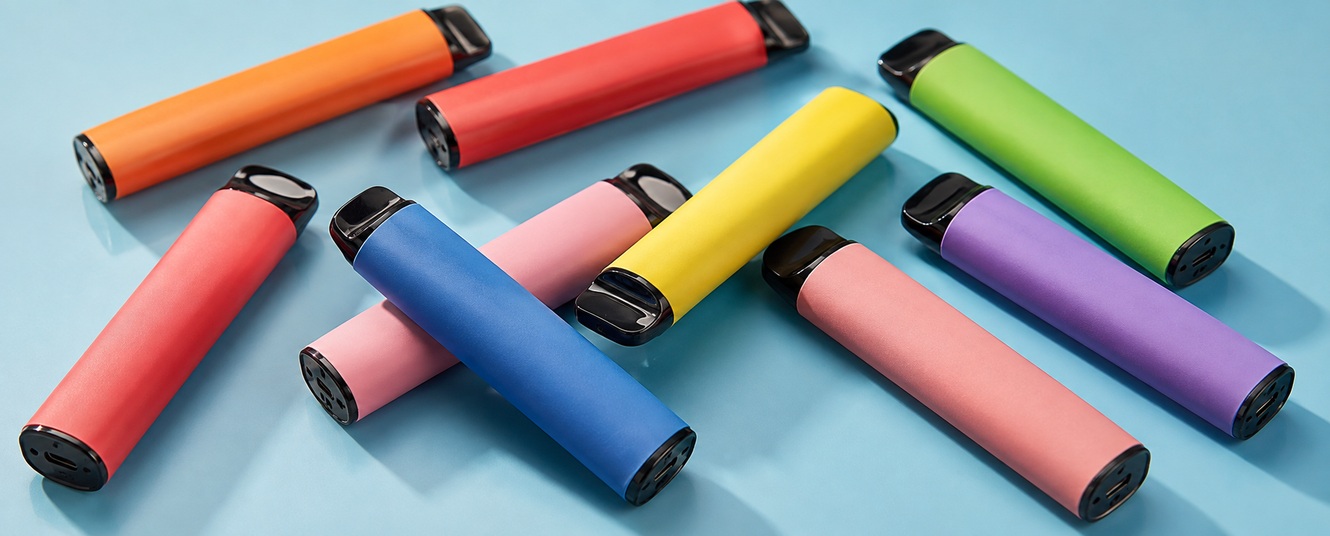
The UK disposable vape ban came into effect on 1st of June 2025, bringing a major change to the vaping market. The last year has meant adapting to reusable alternatives, meaning many vapers have had to find new options that work for them.
The main aim of the ban was to address concerns around environmental waste and to tackle youth vaping, but what impact has it actually had? In this article, we’ll take a closer look at the first year of the disposable vape ban to see what affects it has had on the environment, youth vaping, and whether it has influenced the illicit vape market.
How has the disposable vape ban affected vapers?
For many adult vapers, the ban has meant a significant change in the way they buy and use vaping products. Those who previously relied on single use vapes, commonly referred to as disposable vapes, have had to make the switch to reusable alternatives.
For some, the change has been relatively straightforward. Many manufacturers were quick to bring out reusable alternatives for their popular disposable vapes, making it easy for vapers to get the same vaping experience but in a compliant vape kit that can be reused. These prefilled pod vape kits are often filled with the same e-liquid as their disposable counterparts, with an almost identical design and user experience. A great example of this is the Lost Mary BM600 pod vape kit.
Those vapers who chose to move to a refillable vape kit found that they offer greater flexibility, letting you choose the exact flavour and nicotine strength of the e-liquid, which coil or pod you use, and even allow you to adjust things like the power output and airflow settings to better suit your preferences.
However, the transition has not been entirely seamless for everyone. Disposable vapes were popular partly because they were simple, portable and required little maintenance. Moving to a reusable device can involve a little more knowledge which did mean a bit of a learn curve was required. This means that the ban has changed more than just which vaping products are available. It has shifted the focus for many vapers and encouraged them to consider products based not only on convenience, but also on the features they offer, their cost, and their longevity.
Has the disposable ban reduced vape waste?
The disposable vape ban was introduced partly to tackle the growing amount of vape waste in the UK. While it is important to recognise that vape waste does not just apply to disposable vapes, but all waste generated from vaping, the rapid rise in their popularity before the ban along with their disposable nature meant they were a very significant part of the problem.
Analysis from 2024, during the peak of disposable vape popularity, estimated that 8.2 million vapes were being thrown away, littered or incorrectly recycled in the UK every week, with only around 20% of disposable vapes actually being correctly recycled. Action on Smoking and Health (ASH) have found that since it became illegal for single-use vapes to be sold in the UK, just 8% of adult vapers who vape primarily use disposables, a significant reduction from 24% in 2025 and 31% in 2023. In theory, this should mean that there are much fewer single-use devices being thrown away.
However, Electrical Safety First reported in 2026 that more than two million incorrectly discarded vapes had been found at just four waste sites between June 2025 and March 2026. One possible reason behind this is that, although the vapes themselves are reusable, it is the responsibility of the vaper to use them as such. Many disposable vape alternatives look and behave much like the disposables they replaced, so some vapers may still be throwing them away when the e-liquid runs out rather than replacing the pods or refilling them. This means the environmental impact of the ban depends not only on what products are sold, but also on how vapers use them.
It is still too early to say that the ban has solved the UK's vape waste problem. While we know that there are much fewer disposable vapes being used, and therefore thrown away, the larger issue of educating vapers on how to correctly dispose of vaping products and changing the way that they use vaping products still needs attention. If you want more information on how to correctly dispose of vaping products, take a look at our guide.
Has the disposable ban impacted youth vaping?
Another key driver behind the disposable vape ban was concern about the rise in youth vaping. Disposables had become particularly popular with younger vapers, raising concerns about their affordability, convenience, flavours and bright, appealing designs. But now that we’re a year out from the ban, has removing disposable vapes from the legal market reduced youth vaping?
According to ASH, 6% of 11–17-year-olds in Great Britain currently vape in 2026, compared with 7% in 2025. This suggests that although there has been a reduction in youth vaping it has not resulted in the rapid decline that some expected. However, the disposable vape ban was only the first in a number of changes aiming to tackle youth vaping, with the recently passed Tobacco and Vapes Act (2026) and the upcoming Vaping Products Duty also expected to play a big role in reducing youth access to vaping products. In other words, we have seen some impact from the disposable vape ban, but it is still too early to see the full impact of the Government’s three-pronged approach when it comes to tackling youth vaping.
Has the disposable ban caused a rise in the illicit vape market?
While the ban on disposable vapes has changed the products available through legitimate retailers, it has also raised questions about the illicit vape market. Although single use vapes are no longer legal, it doesn’t mean they are not still in demand, and that disreputable retailers will not step in to fill the gap they have left in the market.
Illegal and non-compliant vapes were already an issue before the ban, with Trading Standards seizing more than one million illegal vapes during the year preceding the ban.
Unfortunately, the problem has continued since the ban came into force, with Councils still reporting significant seizures of illegal vapes. However, Staffordshire County Council reported in July 2026 that Trading Standards Officers found the sale of illicit disposable vapes had decreased, but that illegal and oversized products continued to be found.
It is important to remember that not all illicit vapes are necessarily disposables but can also include products that exceed the UK e-liquid capacity limits, exceed the nicotine strength restrictions, or are in another way not compliant with UK regulations. However, given the popularity of disposable vapes in the years before the ban, it would be foolish to assume that the ban would completely eliminate them from sale. As long as demand exists, there will be those willing to flout the law to create supply.
However, there is currently no reliable national data demonstrating that the ban has resulted in a rise in the illicit vape market. In fact, the Government has increased enforcement resources, with Trading Standards receiving additional funding to tackle illicit tobacco and vape sales, and the continued seizures demonstrate that enforcement remains an important part of regulating the market.
This is another area which will be further bolstered by the Tobacco and Vapes Act and the Vaping Products Duty, with continued support for enforcement agencies and the introduction of a duty stamp on e-liquid containing vaping products which will make it easier for customers to identify non-compliant goods. For vapers, the best approach is to always buy from reputable retailers and avoid products that appear suspicious, unusually large or incorrectly labelled. For further information on recognising illicit products, take a look at our post ‘What is the Government doing to stop the illicit vape market?’
Has the ban achieved what it set out to do?
More than a year after the disposable vape ban came into play, there are definitely signs that it has achieved some of its immediate aims, but it will take more time and the implementation of other upcoming changes for us to truly see the impact.
The clearest change has been in the types of devices now being used by vapers. With just 8% of adult vapers now claiming to use disposables on a regular basis, it is clear that there has been a successful shift away from single use vapes and towards reusable alternatives.
Although clearer and more accessible information about how to correctly dispose of all vaping products should definitely be a focus for the future, the ban has made an impact on the amount of vape waste being incorrectly recycled or littered.
We can also see that the drop in youth vaping, although not as significant as many hoped, is trending in the right direction and has paved the way for further impact to be made by the Tobacco and Vapes Act and the Vaping Products Duty.
Finally, it is an unfortunate fact that the illicit market will always find a way to exist, the ban has brought the importance of enforcement to the fore. Plus, the statistics show that the majority of those vapers who previously used disposable vapes have made the switch to a reusable alternative, rather than seeking them from illicit sources.
If you were previously using disposable vapes and have not yet found the alternative that best suits you, pop in to your local Evapo store and speak to a member of our team, or head over to take a look our disposable vape alternatives.
Sources
gov.uk 01/04/2025
materialfocus.org.uk 16/12/2024
gov.uk 23/03/2025
staffordshire.gov.uk 20/07/2026
ash.org.uk 29/05/2026
ash.org.uk 07/2026
legislation.gov.uk 2026
gov.uk 26/11/2025
gov.uk 26/11/2025